
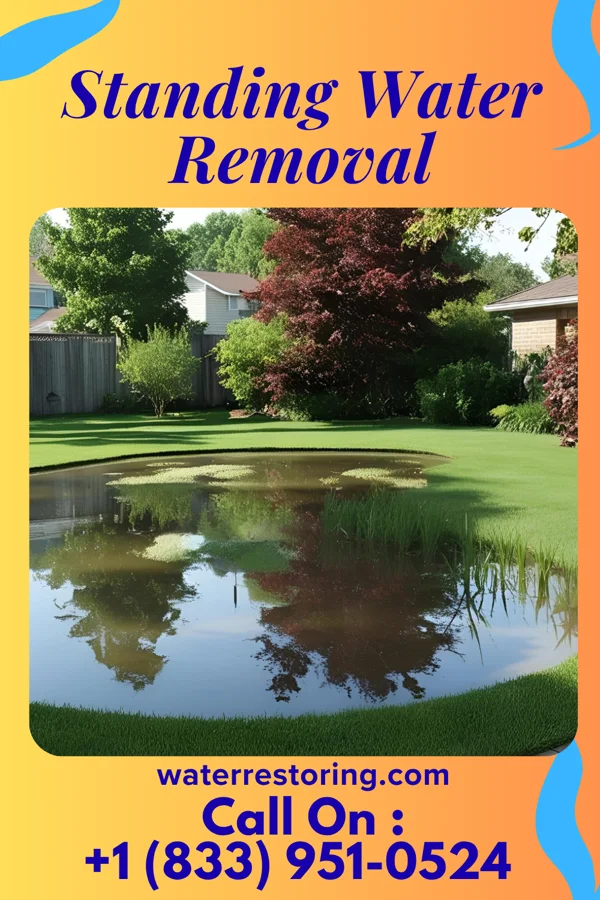
Standing Water & Insurance in Orleans
In Orleans, Nebraska, water damage is most commonly caused by agricultural runoff from nearby farmlands, as well as occasional flooding from the nearby Platte River during heavy spring rains. Additionally, broken irrigation systems and leaking septic tanks are frequent contributors to water intrusion in rural homes. is the trigger behind most standing water removal claims in Orleans. A close second is Secondary causes include plumbing failures in older homes, roof leaks due to aging infrastructure, and water infiltration from nearby creeks or drainage ditches during extreme weather events. Poorly maintained gutters and downspouts also contribute to water pooling around foundations.. Most homeowner insurance policies cover sudden, accidental water damage. What separates a clean claim from a stuck one is fast professional response with documentation an adjuster can actually use.
Orleans experiences a semi-arid climate with hot summers and cold winters, which can lead to frozen pipes in winter and sudden spring flooding. The region's flat terrain and limited drainage systems increase the risk of water accumulation and prolonged saturation.
Most standing water removal calls in Orleans come from In Orleans, Nebraska, water damage is most commonly caused by agricultural runoff from nearby farmlands, as well as occasional flooding from the nearby Platte River during heavy spring rains. Additionally, broken irrigation systems and leaking septic tanks are frequent contributors to water intrusion in rural homes.. Running a close second is Secondary causes include plumbing failures in older homes, roof leaks due to aging infrastructure, and water infiltration from nearby creeks or drainage ditches during extreme weather events. Poorly maintained gutters and downspouts also contribute to water pooling around foundations.. Local mold risk: Mold growth in Orleans can occur rapidly due to the region's humid summer months and frequent rainfall. Prompt water damage restoration is critical to prevent mold spread and protect the structural integrity of homes.